
Whether you are developing a commercial parking lot, a private driveway, or a stretch of rural road, the process of laying new asphalt is far more involved than most property owners and developers initially expect. Understanding what goes into a quality asphalt installation — from subgrade preparation to final compaction — can mean the difference between a surface that lasts decades and one that begins cracking within a few seasons. This guide explores the full scope of modern asphalt construction, the decisions that shape long-term performance, and why working with experienced professionals from the very beginning pays dividends over time.
Why Asphalt Remains the Preferred Paving Material
Asphalt has dominated road and pavement construction for well over a century, and for good reason. It offers a unique combination of flexibility, durability, and cost-effectiveness that few competing materials can match. Unlike rigid concrete, asphalt can flex slightly under load, which reduces cracking caused by ground movement and temperature fluctuations. It is also faster to install and can be opened to traffic much sooner after placement, making it ideal for high-traffic commercial environments where downtime is costly.
Beyond its structural advantages, asphalt is a recyclable material. Reclaimed asphalt pavement (RAP) can be reprocessed and reused in new mixes, reducing both material costs and environmental impact. This sustainability angle has made asphalt increasingly attractive to municipalities and developers who are mindful of their environmental footprint without wanting to compromise on performance.
The Foundation: Subgrade and Base Layer Preparation
No asphalt surface is stronger than the foundation beneath it. Before a single ton of hot-mix asphalt is laid, the subgrade — the native soil beneath the pavement — must be properly evaluated, graded, and compacted. Soft or unstable soils may require stabilization using lime, cement, or geotextile fabrics to prevent future settlement and rutting.
Once the subgrade is prepared, a crushed aggregate base layer is installed. This base serves as the structural backbone of the pavement system, distributing traffic loads across a wider area and providing drainage pathways that prevent water from weakening the subgrade. The thickness of this base layer is determined by the anticipated traffic load — light residential driveways require far less depth than commercial truck routes or industrial yards.
Drainage Planning: Often Overlooked, Always Critical
Proper drainage design is one of the most frequently underestimated aspects of new asphalt construction. Water is asphalt’s primary enemy. When moisture infiltrates the pavement structure and has nowhere to go, it weakens the base, promotes freeze-thaw damage in colder climates, and accelerates surface deterioration. Effective drainage planning includes proper grading slopes, the installation of catch basins or French drains where necessary, and ensuring that surrounding landscaping directs water away from the paved surface rather than toward it.
Hot-Mix Asphalt: Composition and Application
Modern hot-mix asphalt (HMA) is an engineered material, not simply a byproduct of oil refining poured onto the ground. It consists of carefully graded aggregates — stone, sand, and gravel — bound together with asphalt cement (bitumen) at precise ratios determined by the intended use of the surface. Mix designs are tested in laboratories to ensure they meet specifications for stability, flexibility, and resistance to rutting and cracking.
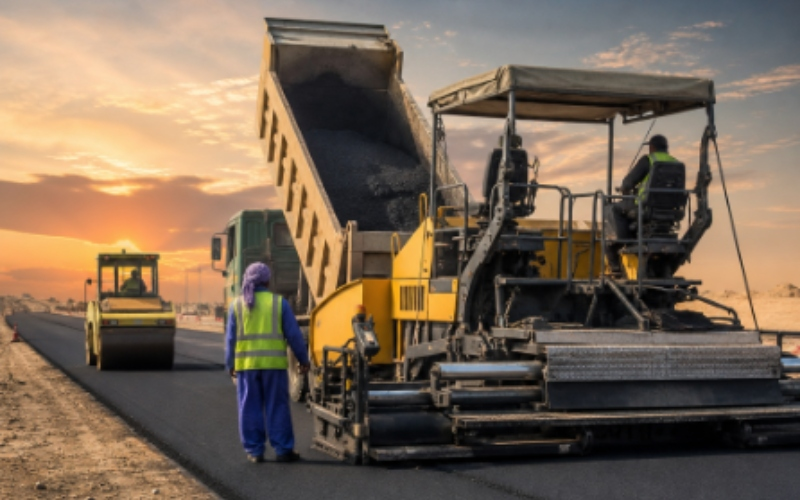
During installation, the mix is delivered at temperatures typically between 275°F and 325°F and must be spread and compacted before it cools. Paving crews use mechanical pavers to lay the material at a consistent thickness, followed by steel drum rollers that compact the asphalt to the required density. Timing and temperature management during this phase are critical — asphalt that cools too quickly before adequate compaction is achieved will be prone to premature cracking and surface raveling.
Decorative Asphalt: Expanding the Aesthetic Possibilities
Asphalt is no longer limited to utilitarian grey surfaces. Decorative asphalt applications have grown significantly in popularity for commercial plazas, pedestrian zones, and mixed-use developments. Colored asphalt, stamped patterns, and exposed aggregate finishes allow designers to create visually appealing surfaces that still deliver the structural performance of traditional asphalt. According to industry research on the benefits of decorative asphalt, these finishes can enhance wayfinding, improve pedestrian safety, and increase the perceived value of commercial properties — all without sacrificing durability.
The Broader Infrastructure Picture: Sealed vs. Unsealed Roads
The value of properly constructed asphalt surfaces becomes especially clear when viewed in the context of road infrastructure development. In many regions, particularly in rural and remote areas, the transition from unsealed dirt roads to sealed asphalt surfaces represents a transformative improvement in safety, accessibility, and economic connectivity. Discussions around sealing major outback routes highlight how communities and industries that depend on reliable road access stand to benefit enormously from investment in quality asphalt construction. The same engineering principles that govern urban road construction apply equally to these remote corridors — proper base preparation, appropriate mix design, and long-term maintenance planning are non-negotiable regardless of location.
About Asphalt Coatings Company
Asphalt Coatings Company has built a reputation for delivering high-quality asphalt solutions across a wide range of residential, commercial, and industrial applications. With deep expertise in every phase of the paving process — from site evaluation and base preparation through final surface installation — the team brings both technical knowledge and practical experience to every project. Their commitment to using quality materials, proven techniques, and transparent communication has made them a trusted partner for clients who demand lasting results from their paving investments.
A Comprehensive Approach to New Asphalt Projects
For property owners and developers ready to move forward with a paving project, understanding the full scope of what is involved is the first step toward a successful outcome. New Asphalt Construction encompasses far more than simply pouring material onto a prepared surface — it is a multi-stage engineering process that demands careful planning, skilled execution, and attention to detail at every phase. Partnering with experienced professionals who understand these complexities ensures that the finished surface will perform reliably for years to come, delivering genuine value on the investment made.
Long-Term Maintenance: Protecting Your Investment
Even the best-constructed asphalt surface requires ongoing maintenance to reach its full service life. Sealcoating, applied every two to four years depending on traffic and climate conditions, protects the surface from UV oxidation, fuel and oil spills, and water infiltration. Crack filling should be performed promptly whenever surface cracks appear, preventing water from penetrating to the base layer and causing more extensive damage. Periodic inspections by a qualified paving contractor can identify developing issues early, when repairs are still relatively minor and inexpensive.
Conclusion
New asphalt construction is an investment in functionality, safety, and long-term property value. When approached with the right expertise, quality materials, and a thorough understanding of site-specific conditions, an asphalt surface can deliver decades of reliable service with relatively modest maintenance requirements. Whether the project involves a single residential driveway or a major commercial paving installation, the principles remain the same: prepare the foundation properly, use the right mix design, execute the installation with precision, and commit to a proactive maintenance program. That combination is what separates asphalt surfaces that endure from those that disappoint.