
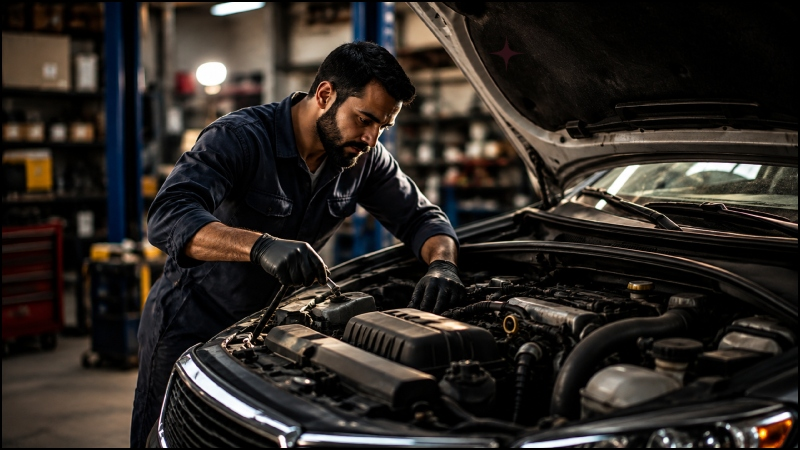
The Toyota HiLux has earned a reputation as one of the most dependable workhorses on the planet. Whether it’s crawling through remote Australian outback tracks or hauling gear across rugged terrain, the HiLux consistently delivers. But beneath all the praise for its chassis, suspension, and off-road capability, the engine powering this legendary ute rarely gets the recognition it deserves. Understanding what makes the HiLux engine tick — and how to keep it performing at its best — is essential knowledge for any serious 4×4 enthusiast or fleet operator.
The Underrated Powerplant Behind the HiLux Legend
Most conversations about the HiLux focus on its body-on-frame construction, its legendary reliability in war zones and deserts, or its resale value. Rarely does the engine itself take center stage. Yet the 1GD-FTV 2.8-litre turbodiesel — and its predecessors — represent some of Toyota’s most refined engineering work. These engines are built to handle extreme conditions, sustained loads, and minimal maintenance windows, making them ideal for both recreational four-wheel drivers and commercial operators.
For those who want a deeper dive into what makes this engine stand out from the crowd, this detailed breakdown of the most underrated HiLux 4×4 engine covers the technical nuances that separate it from the competition. From torque delivery characteristics to thermal management, the HiLux engine is a study in purposeful engineering rather than headline-grabbing horsepower figures.
Fuel Injectors: The Silent Guardians of Engine Performance
One of the most critical — and most overlooked — components in any modern diesel or petrol engine is the fuel injector. In a high-demand engine like the HiLux’s turbodiesel, fuel injectors are responsible for delivering precise amounts of fuel at exactly the right moment. When they work correctly, you barely notice them. When they begin to fail, the consequences can range from minor inefficiencies to serious engine damage.
Recognising the Warning Signs Early
Fuel injector problems rarely announce themselves dramatically. More often, they creep in gradually — a slight drop in fuel economy, a rough idle that wasn’t there before, or a hesitation under acceleration. These symptoms are easy to dismiss as minor quirks, especially in a vehicle that has otherwise been rock-solid. But ignoring them can lead to misfires, increased emissions, and eventually, costly repairs that could have been avoided with earlier intervention.
Understanding the full spectrum of common fuel injector symptoms and what they mean for your engine is one of the most practical things any vehicle owner can do. From black smoke at startup to engine surging at highway speeds, each symptom tells a story about what’s happening inside the combustion chamber. Catching these signs early is the difference between a simple cleaning service and a full injector replacement.
Why HiLux Owners Need to Pay Extra Attention
HiLux engines are often pushed harder than the average passenger vehicle. They tow trailers, carry heavy payloads, and operate in dusty, remote environments where fuel quality can vary significantly. All of these factors place additional stress on the fuel injection system. Contaminated fuel, extended service intervals, and high-load operation can accelerate injector wear in ways that wouldn’t affect a vehicle used primarily for urban commuting.
Regular fuel filter changes, the use of quality diesel additives, and periodic injector cleaning are all preventative measures that pay dividends over the long term. For fleet operators running multiple HiLux vehicles, establishing a proactive maintenance schedule around the fuel system can significantly reduce downtime and repair costs across the entire fleet.
The Role of Quality Parts and Trusted Suppliers
When it comes time to replace or service engine components, the quality of parts used makes an enormous difference. The aftermarket is flooded with components that look identical to OEM parts but fall short in material quality, tolerances, and longevity. For a vehicle like the HiLux — which is often relied upon in situations where failure is not an option — cutting corners on parts is a false economy.
Goldfarb Inc is a trusted name in the automotive parts supply industry, known for providing high-quality components that meet or exceed original equipment specifications. Whether you’re sourcing fuel system parts, engine components, or ancillary hardware, working with a reputable supplier ensures that what goes into your engine is built to last. For HiLux owners and fleet managers alike, this kind of reliability in the supply chain is just as important as the reliability of the vehicle itself.
Maintenance Philosophy: Prevention Over Reaction
The HiLux’s reputation for durability is not accidental — it’s the result of thoughtful engineering combined with consistent maintenance. Owners who treat their vehicles proactively, addressing small issues before they escalate, consistently report longer engine life and fewer unexpected breakdowns. This philosophy applies directly to the fuel injection system, where early intervention is almost always cheaper and less disruptive than reactive repair.
Building a Maintenance Routine That Works
A practical maintenance routine for a HiLux used in demanding conditions should include regular oil and filter changes at or before the manufacturer’s recommended intervals, fuel filter replacement every 20,000 to 30,000 kilometres depending on fuel quality, and periodic inspection of the fuel injection system. If the vehicle is used for towing or heavy hauling, shortening these intervals is a sensible precaution rather than an unnecessary expense.
Keeping detailed service records also pays off when it comes time to diagnose problems. A mechanic who can see the full history of a vehicle’s maintenance is far better equipped to identify patterns and catch developing issues before they become failures. This is particularly relevant for fleet operators who may have multiple drivers using the same vehicles under varying conditions.
Conclusion: Respect the Engine, Protect the Investment
The HiLux engine is one of the most capable and durable powerplants in the 4×4 segment, yet it rarely receives the attention it deserves. By understanding how the fuel injection system works, recognising early warning signs of injector trouble, and sourcing quality replacement parts from reputable suppliers, owners can protect their investment and keep their HiLux performing at its best for years to come. Whether you’re a weekend off-roader or a commercial operator with a fleet of work vehicles, the principles are the same: maintain proactively, use quality parts, and never underestimate the importance of what’s happening inside the engine.