
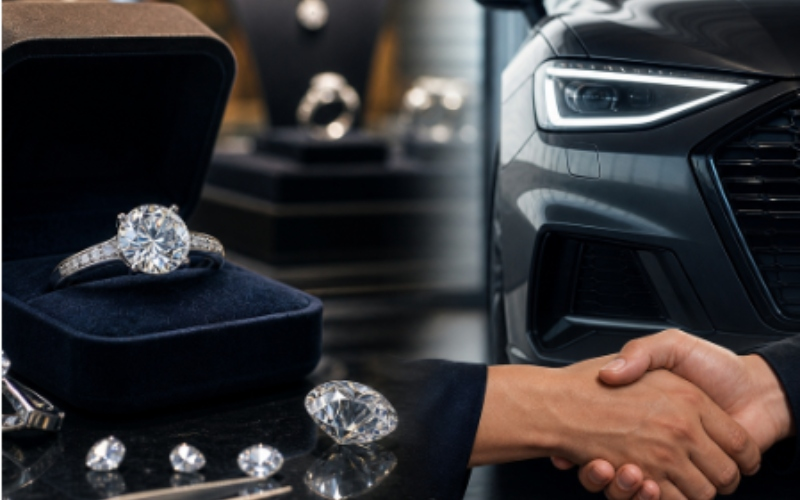
The word “diamond” carries extraordinary weight across industries. Whether it appears in the name of a prestigious jewellery house or as the centrepiece of a long-term automotive warranty program, the term instantly signals quality, durability, and trust. This cross-industry phenomenon reveals something fundamental about how consumers perceive value — and why brands that align themselves with the diamond concept tend to command lasting loyalty. Understanding this branding strategy, and how it plays out in very different markets, offers a fascinating lens through which to examine modern consumer culture.
The Enduring Power of Diamond as a Brand Symbol
Diamonds have been synonymous with permanence and prestige for centuries. Their physical properties — unmatched hardness, brilliant light refraction, and rarity — translate naturally into brand values that companies across sectors eagerly adopt. When a business incorporates “diamond” into its identity, it is borrowing from a deep cultural reservoir of meaning. Consumers immediately associate the term with something that lasts, something worth investing in, and something that reflects a certain standard of excellence.
This is not accidental. Marketing strategists understand that language shapes perception. A warranty program called “Diamond Advantage” or a jeweller bearing the name “Diamond” in its title is making a deliberate promise to its audience. The brand is saying: we are not ordinary, we are exceptional, and we stand behind what we offer. That promise, when fulfilled consistently, builds the kind of brand equity that sustains businesses across generations.
Automotive Confidence: The Diamond Advantage Program
One of the more compelling examples of diamond branding outside the jewellery world comes from the automotive industry. Mitsubishi’s approach to long-term vehicle ownership confidence is a case study in how the diamond concept translates into tangible consumer benefit. The Mitsubishi Diamond Advantage Program, offering a 10-year or 200,000km warranty, demonstrates that the diamond name is not merely decorative — it is a structural commitment to quality and longevity.
For buyers of 4×4 vehicles and family cars alike, this kind of warranty is transformative. It removes the anxiety that often accompanies major purchases and replaces it with confidence. The choice to name this program after a diamond is deliberate: just as a diamond endures, so too should the vehicle and the relationship between manufacturer and owner. This strategy has proven effective because it anchors an abstract concept — long-term reliability — to a universally understood symbol of permanence.
What Makes a Warranty Program Feel Premium?
A warranty program earns its premium status not just through duration but through the clarity and accessibility of its terms. Consumers are increasingly sophisticated; they read the fine print and compare offerings across competitors. A program that pairs a strong name with genuinely comprehensive coverage creates a compounding effect — the branding sets expectations, and the substance of the offer meets them. When both elements align, consumer trust deepens significantly.
The Jewellery Industry and the Rise of Laboratory-Grown Diamonds
Within the jewellery world itself, the definition of “diamond” is evolving rapidly. The emergence of laboratory-grown diamonds has disrupted traditional market assumptions and opened new conversations about value, ethics, and authenticity. Major luxury brands are now entering this space with considerable investment. Swarovski’s unveiling of a new laboratory-grown diamond collection marks a significant moment in this shift, signalling that even heritage brands with deep roots in crystal craftsmanship are embracing the future of gemstones.
Laboratory-grown diamonds are chemically and physically identical to mined diamonds. They are produced using advanced technological processes that replicate the conditions under which natural diamonds form deep within the earth. For consumers who prioritise ethical sourcing and environmental responsibility, these stones offer a compelling alternative without sacrificing the visual or structural qualities they associate with the diamond name. The growing acceptance of lab-grown stones is reshaping how jewellers position their collections and how buyers think about what they are purchasing.
Ethical Sourcing and the Modern Buyer
Today’s jewellery consumer is more informed than ever before. Questions about supply chain transparency, environmental impact, and fair labour practices are no longer niche concerns — they are mainstream considerations that influence purchasing decisions at every price point. Jewellers who can speak clearly and honestly about where their stones come from, and how they are produced, are better positioned to earn the trust of this evolving customer base. The diamond industry’s response to these demands has been varied, but the trend toward greater transparency is unmistakable.
Leon Diamond: A Name Built on Expertise and Trust
In the competitive landscape of fine jewellery, few things matter more than reputation. Leon Diamond has established itself as a destination for those seeking exceptional diamonds and expertly crafted jewellery, combining deep gemological knowledge with a commitment to helping customers find pieces that genuinely reflect their intentions and values. Whether a client is searching for an engagement ring, a bespoke piece, or a meaningful gift, the experience of working with a jeweller who understands both the technical and emotional dimensions of diamond selection is irreplaceable.
What distinguishes a jeweller of this calibre is not simply the quality of the inventory, but the quality of the guidance offered. Selecting a diamond involves navigating the four Cs — cut, colour, clarity, and carat — alongside personal preferences, budget considerations, and the specific purpose of the piece. Expert jewellers translate this complexity into clarity, ensuring that every customer leaves not just with a beautiful stone, but with a genuine understanding of what they have chosen and why it matters.
The Value of Personalised Jewellery Consultation
In an era where online shopping has made it possible to purchase almost anything without human interaction, the personalised jewellery consultation remains irreplaceable for significant purchases. A skilled consultant listens carefully, asks the right questions, and draws on years of experience to guide a customer toward a choice they will treasure for decades. This human element is what separates a transaction from an experience — and it is what keeps customers returning and referring others.
Connecting the Dots: Diamond as a Universal Standard
What unites a luxury jeweller, an automotive warranty program, and a heritage crystal brand entering the lab-grown diamond market? Each is leveraging the diamond concept to communicate a specific and powerful message: we offer something that endures. The contexts differ enormously, but the underlying logic is consistent. Diamonds represent the highest standard, and brands that align themselves with that standard are making a promise about the quality and longevity of what they offer.
For consumers, recognising this pattern is useful. It encourages a more discerning approach to brand evaluation — one that looks beyond the name to ask whether the substance of the offering genuinely matches the promise. When it does, as in the best examples across these industries, the result is a relationship between brand and customer that is itself as durable as the stone it invokes.
Conclusion
The diamond, in all its forms and across all its applications, continues to serve as one of the most potent symbols in commercial culture. From the showroom floor of a fine jeweller to the terms of a decade-long vehicle warranty, the values it represents — permanence, excellence, and trust — remain universally compelling. As the jewellery industry evolves with laboratory-grown options and as automotive brands deepen their commitment to long-term ownership confidence, the diamond standard shows no signs of losing its lustre. For consumers navigating these markets, understanding what the diamond name truly means — and holding brands accountable to it — is the surest path to making choices that stand the test of time.