
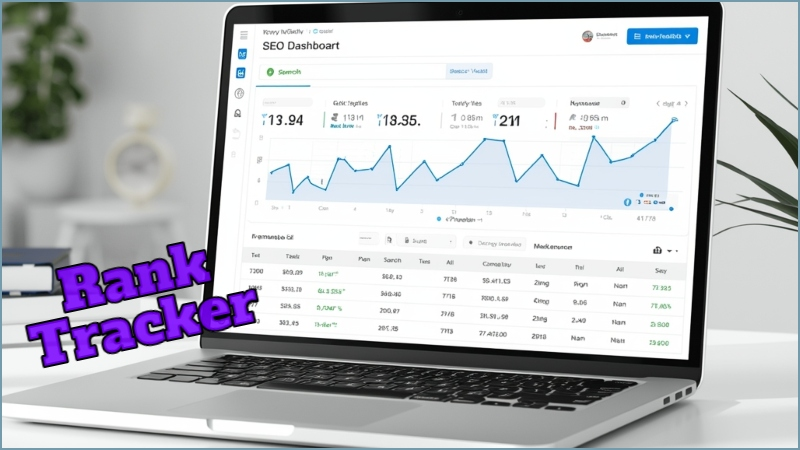
Every website owner wants one thing — higher rankings on Google. But here is the truth many people do not talk about. You cannot improve what you do not measure. This is where a rank tracker becomes powerful. It quietly shows you where your keywords stand, how they move, and what your competitors are doing. Many beginners guess their rankings. Smart website owners track them daily. In 2026, search results will change faster than ever. AI summaries, featured snippets, and local packs shift positions overnight. If you are not tracking your rankings, you are already behind. Let’s uncover what a rank tracker really does and why it matters more than most people realise.
What Is a Rank Tracker and Why Does It Matter?
A rank tracker is a tool that monitors your website’s position in search engines for specific keywords. For example, if you target “rank tracker” as a keyword, the tool shows whether you appear on page one, two, or beyond. But modern rank trackers do much more than that. They track location-based results, mobile rankings, and even AI-driven search placements. Google now personalises results based on device and location. So rankings are not the same for everyone. Without accurate tracking, you only see a small part of the picture. A professional rank tracker gives you real data instead of assumptions.
How Rank Tracking Has Changed in 2026
SEO has changed rapidly in recent years. Google now shows AI overviews, people-also-ask boxes, video results, and local map packs above normal links. That means your ranking position is not the only metric that matters. A modern rank tracker now measures visibility, SERP features, and search intent shifts. Some tools also detect keyword volatility. This means they show how often rankings change within days. In competitive industries, positions can jump or drop quickly. Tracking daily movement helps you react faster. Instead of waiting months, you can adjust content in real time.
Key Features to Look for in a Powerful Rank Tracker
Not all rank trackers are equal. Some only show basic keyword positions. The best tools offer advanced tracking features. Look for daily updates, device-specific tracking, and local search monitoring. A strong rank tracker should also track competitors. Knowing where your competitors rank gives you a clear strategy advantage. Another important feature is keyword grouping. This allows you to track topic clusters instead of single words. In 2026, Google ranks topics more than exact keywords. A tool that tracks topical authority gives deeper insight into your SEO growth.
Why Manual Checking Is a Big Mistake
Many beginners type their keyword into Google to check rankings. This method does not work anymore. Search results depend on your history, location, and device. You may see your site on page one while others see it on page three. Manual checking also wastes time and gives inaccurate data. A rank tracker removes personal bias from results. It collects neutral data from different locations and devices. This ensures accurate reporting. If you want serious SEO growth, guessing is not an option. Data-driven decisions always win.
How Rank Tracking Improves Content Strategy
A rank tracker does more than show numbers. It guides your content strategy. When you see a keyword moving from position 18 to 11, you know it is close to page one. That is the perfect time to update and optimise the article. Add better headings, improve internal links, and refresh information. Tracking also reveals declining keywords. If rankings drop, you can act before traffic disappears. Smart SEO experts use rank data to plan updates, build backlinks, and create new supporting content. It turns random writing into strategic growth.
The Connection Between Rank Tracking and Revenue
Higher rankings often lead to more clicks. More clicks usually mean more leads and sales. But without tracking, you cannot connect SEO efforts to revenue growth. A rank tracker helps you measure which keywords drive the most traffic. Then you can focus on high-converting keywords instead of low-value terms. Businesses that track rankings consistently make better marketing decisions. They invest in what works and stop wasting time on what does not. In competitive markets, this difference can mean thousands of dollars in revenue.
Choosing the Right Rank Tracker for Your Website
When selecting a rank tracker, start with your goals. If you run a local business, choose a tool with strong local tracking features. If you target global audiences, select one that tracks multiple countries. Consider ease of use, reporting dashboards, and integration with analytics tools. Many modern rank trackers now include AI insights. These insights suggest optimisation opportunities based on ranking trends. Avoid tools that update rankings only once a week. In fast-moving niches, weekly data is too slow. Daily tracking gives you a competitive edge.
Conclusion
A rank tracker is no longer optional for serious website owners. It is the backbone of smart SEO strategy. Search engines change constantly. Competitors publish new content every day. Without tracking your keyword positions, you move blindly. With accurate rank tracking, you gain clarity, control, and direction. You see opportunities before others notice them. You fix problems before traffic drops. And most importantly, you build growth on real data instead of guesswork. In 2026 and beyond, the websites that win will not be the loudest. They will be the ones that track, analyse, and act faster than everyone else.
For more information or suggestions, please Contact us.