
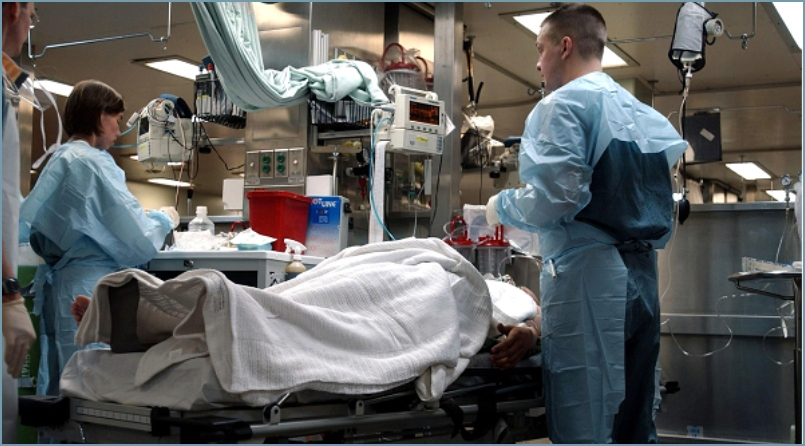
Healthcare professionals across clinical, technical, and administrative fields are exploring higher education as a way to strengthen their expertise and pursue new opportunities. Many feel the impact of evolving care standards, growing patient needs, and rapid changes in healthcare technology.
Degree programs, bridge pathways, interdisciplinary studies, and professional certifications give learners the chance to build knowledge that aligns with long-term goals. A clearer understanding of these options helps professionals select programs that support meaningful progress at any stage of their career.
Degree Paths That Support Healthcare Career Growth
Healthcare careers often follow clear academic routes that guide professionals as they expand their capabilities. Bachelor’s programs in areas such as respiratory care, diagnostic imaging, healthcare administration, and public health introduce deeper clinical reasoning, stronger communication strategies, and an improved understanding of healthcare systems. These degrees validate foundational skills and prepare learners for broader responsibilities.
Post-baccalaureate and graduate-level programs add another layer of development. Many allied health professionals seek advanced coursework to strengthen clinical practice or transition toward supervisory roles. Therapists, for instance, enhance treatment planning through graduate-level study, while administrative professionals refine operations, quality improvement, and policy knowledge through master’s-level programs.
Nursing Routes That Guide Professional Advancement
Nursing offers several well-defined academic routes that help professionals strengthen clinical judgment and prepare for expanded responsibilities. As nurses advance in their careers, many reach a point where additional education becomes essential, particularly for those pursuing leadership, education, or specialized clinical roles.
To meet these goals, flexible learning formats allow nurses to continue working while furthering their education. When evaluating options, many compare program structures, including affordable RN to BSN online programs that accommodate demanding schedules without disrupting employment. For example, William Paterson University offers an online option that supports working nurses through flexible scheduling and career-focused coursework. These programs deepen clinical understanding, enhance patient-centered practice, and support readiness for graduate-level study.
Graduate Degrees That Expand Leadership and Practice
Graduate education influences the direction of many healthcare careers. Programs such as MPH, MHA, MSN, MSW, and DPT support professionals seeking a more strategic or clinically advanced role. Coursework shapes analytical thinking, expands awareness of healthcare policy, and introduces leadership approaches suited to a wide range of departments.
Advanced degrees prepare individuals to navigate challenges beyond daily clinical tasks. Public health graduates contribute to community initiatives and preventive strategies. Healthcare administration graduates help shape organizational structure, workforce planning, and improvement processes. Clinicians who pursue master’s-level training in their specialty gain a stronger grasp of complex cases and treatment approaches.
Interdisciplinary Programs for Modern Healthcare Roles
Healthcare environments depend on collaboration between clinical teams, technical specialists, and operational staff. Interdisciplinary programs bring these areas together to prepare students for responsibilities shaped by new technologies and evolving care models. Degrees that combine healthcare with informatics, analytics, public health, or business strategy help professionals understand how clinical workflows, data systems, and organizational processes interact.
Interdisciplinary study supports professionals who want to guide innovation or improve system efficiency. Learners gain broader perspectives that strengthen communication across departments and support informed decision-making. This foundation prepares graduates to contribute meaningfully to initiatives that shape modern patient care.
Professional Certifications Strengthening Specialized Expertise
Certificates provide targeted training for those who want focused development within their discipline. Many healthcare fields value structured short-term programs that reinforce specialized skills. Pharmacists, therapists, technicians, behavioral health providers, and imaging professionals rely on certifications to demonstrate competence in areas such as geriatrics, oncology, informatics, cardiology, care coordination, or rehabilitation.
Certification supports career direction and encourages consistent practice improvement. Professionals gain practical tools that enhance performance, patient interaction, and clinical accuracy. These credentials complement formal degrees and help individuals adapt to shifting healthcare needs while continuing to build a unique professional identity.
Flexible Learning Models Tailored to Demanding Healthcare Schedules
Healthcare professionals often balance long shifts, unpredictable hours, and ongoing responsibilities, so flexible learning models play a meaningful role in supporting higher education goals. Online programs provide structured coursework through digital platforms that allow students to log in at times that fit their routine. Recorded lectures, virtual labs, discussion boards, and instructor-led sessions help learners engage with material without disrupting their workday.
Hybrid models combine on-campus interaction with online learning. Professionals benefit from face-to-face instruction, lab-based practice, and clinical exposure while still maintaining the convenience of remote coursework. This approach works well for fields that require hands-on training, including therapy, imaging, or laboratory sciences.
Higher education expands possibilities for healthcare professionals who want to strengthen their expertise and explore new directions in their careers. Flexible learning models, strong accreditation standards, and practical financial strategies support this growth and make long-term goals achievable. Whether individuals pursue advanced nursing pathways, interdisciplinary study, graduate degrees, or specialized credentials, each route provides meaningful benefits.
A thoughtful selection process helps learners choose programs that build confidence, open new opportunities, and support a strong contribution within the healthcare system.